Production incentives – financial support and how to apply
The Swedish audiovisual incentive provides a production relief of up to 25 per cent on Swedish production costs.

Sweden is globally recognized as a leader in sustainability, consistently ranking at the top of international indices for environmental performance and progress towards the United Nations Sustainable Development Goals (SDGs).
Within the EU, Sweden is a frontrunner in achieving SDG targets, consistently ranking among the top three countries. This success stems from ambitious policies, innovative technologies, and a cultural commitment to environmental stewardship. The film industry and all productions operate within this landscape.
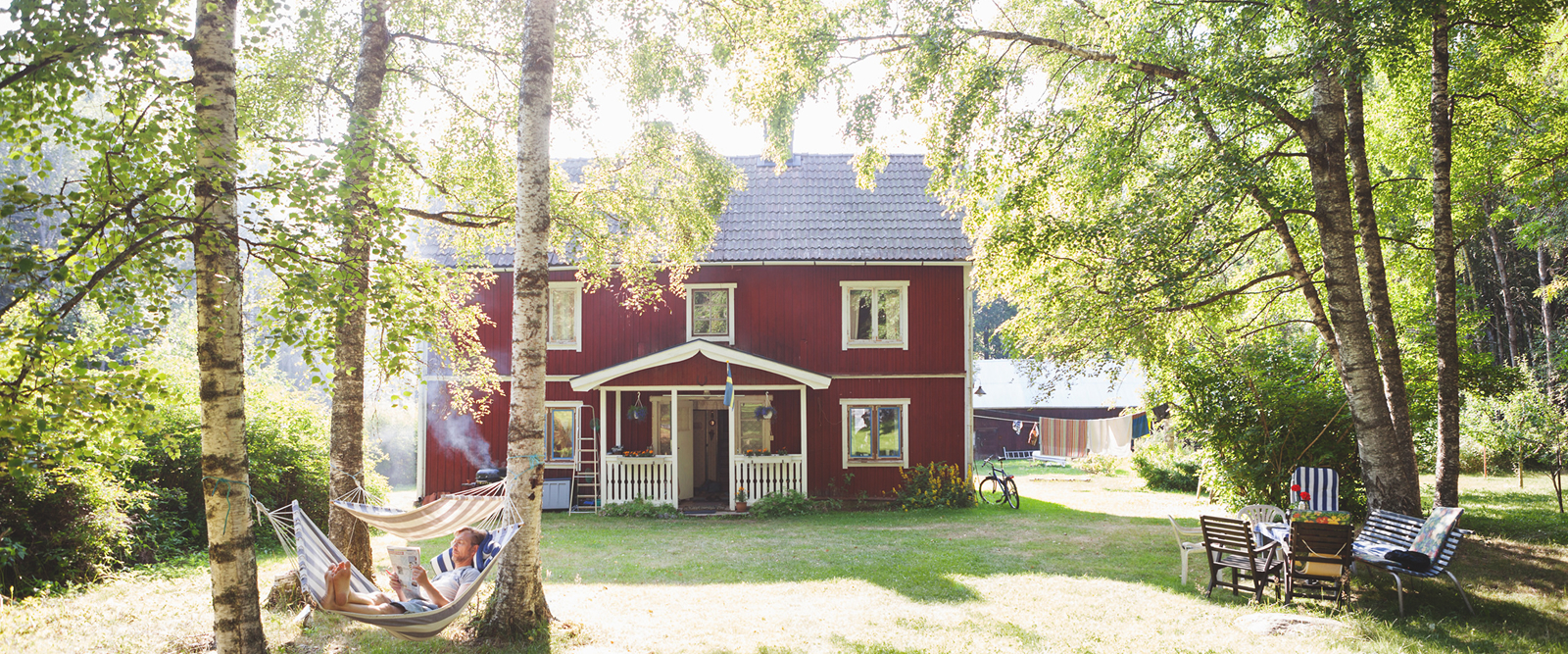
Image: A traditional red cabin. It does not get more Swedish than this. Finnerödja, central Sweden. Photographer/Credits: Doris Beling/Folio/imagebank.sweden.se
The Swedish film industry reflects the nation’s broader sustainability efforts by leading a process to incorporating green practices into productions. Production generally makes use of the energy mix which is low in carbon emissions, the waste reduction system and environmentally friendly materials.
Initiatives like “Hållbar film” (Sustainable film) guide filmmakers in reducing environmental footprints, aligning with Sweden’s tradition of balancing ecological and social responsibility.
Public funding bodies are working together with the producers association, production companies and media houses to create best practices and to become more and more sustainable. Sweden is also working together with the other Nordic countries and our neighboring and important coproduction countries to create common standards and working methods. In this way the film industry strives to be a model for integrating environmental responsibility with creativity. This commitment contributes to Sweden’s overall SDG progress.
Sweden generates over 50% of its energy from renewables, including hydropower, wind, and bioenergy, with a target of 100% renewable electricity by 2040. Its waste management system is among the best in the world, recycling 49% of household waste and converting another 50% into energy.
Comparatively, Sweden’s landfill use is virtually non-existent, while the EU average for recycling is around 30%, highlighting Sweden’s advanced approach.
The country’s efforts in reducing greenhouse gas emissions are also noteworthy. Between 1990 and 2020, Sweden reduced emissions by over 29%, surpassing the EU average of 20% for the same period. Its pioneering carbon tax, introduced in 1991, remains one of the highest in the world and serves as a model for other nations.
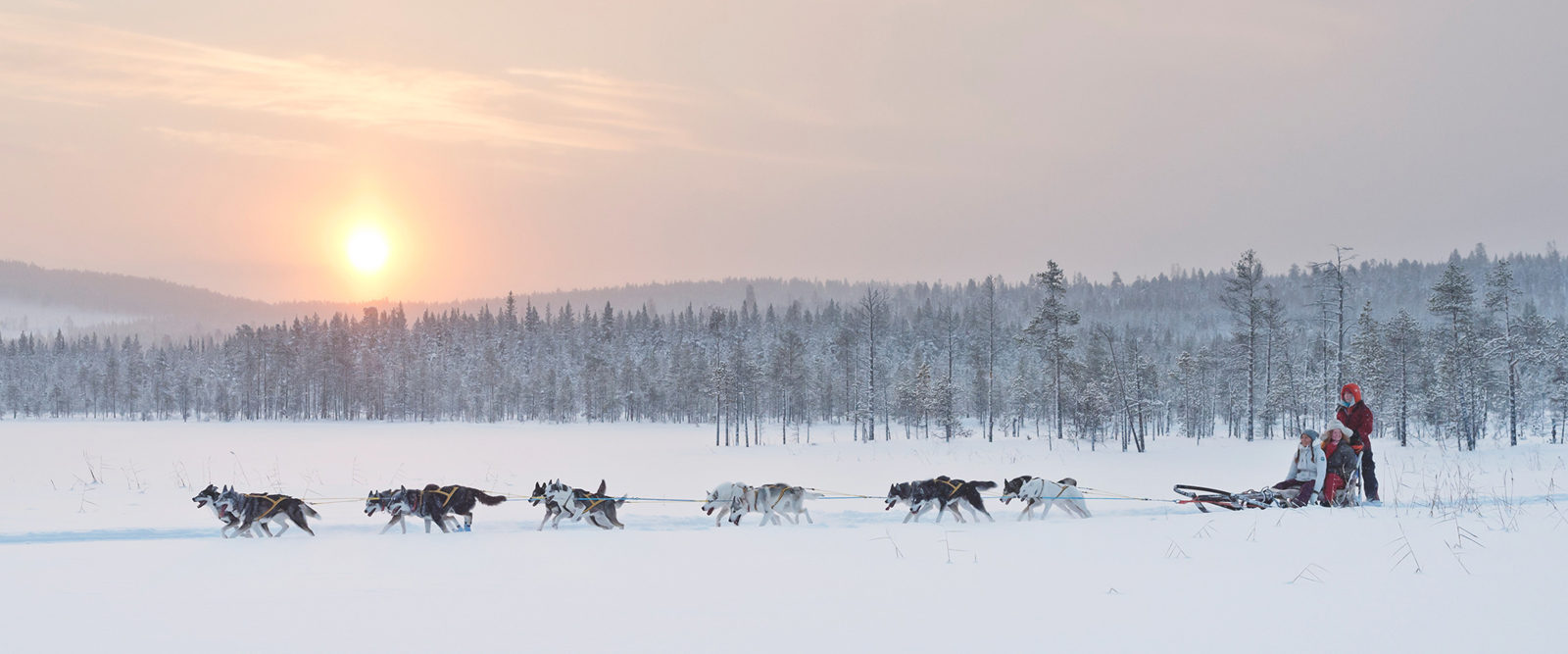
Image: A dog sledding tour, with Jokkmokkguiderna, in the frosty forests of the North. Jokkmokk, Swedish Lapland. Photographer/Credits: Anna Öhlund/imagebank.sweden.se
Sweden ranks among the top nations in the Environmental Performance Index and the SDG Index. In 2023, it ranked first in the EU for overall progress towards the SDGs. Key areas of strength include clean energy, reduced inequalities, and sustainable cities and communities.
Sweden’s leadership extends globally, from its pioneering carbon tax in 1991 to the development of green technologies like electric vehicles and sustainable urban planning.
Inclusion is another cornerstone of Sweden’s sustainability model. The country is a global leader in gender equality, ranking among the top in the Global Gender Gap Report. Policies promoting diversity and social inclusion are mirrored in the film industry, where efforts are made to ensure equal opportunities for women and underrepresented groups in all aspects of production.
Cultural values, such as “lagom” (balance) and “fika” (reflection), foster sustainable lifestyles. This ethos is evident in the film industry’s dedication to embedding sustainability into creative processes, highlighting Sweden’s holistic approach to progress that values people, the planet, and prosperity equally.
Balancing economic growth with ecological preservation remains a challenge. However, Sweden’s proactive measures and innovative goals position it as a role model for nations worldwide. The film industry’s integration of sustainability underscores this commitment, demonstrating how environmental responsibility and creativity can thrive together.
In conclusion, Sweden’s approach to sustainability, reflected in both its policies and cultural practices, offers a collaborative way, locally, regionally, nationally, in the Nordics, Europe and the world, to make the film industry more sustainable in the future.
Work in a business-friendly economy that provides a safe, sustainable production environment with access to cutting-edge visual production technology.
Image: The banks of the River Helge å, on the west side of Kristianstad. Photographer: Per Pixel Petersson/imagebank.sweden.se

The Swedish audiovisual incentive provides a production relief of up to 25 per cent on Swedish production costs.
Sweden boasts a variety of locations, seasonal scenery, and architecture spanning all styles and eras – all easily accessible through clean, safe infrastructure.